
The Swim Struggle: Overcoming Common Barriers
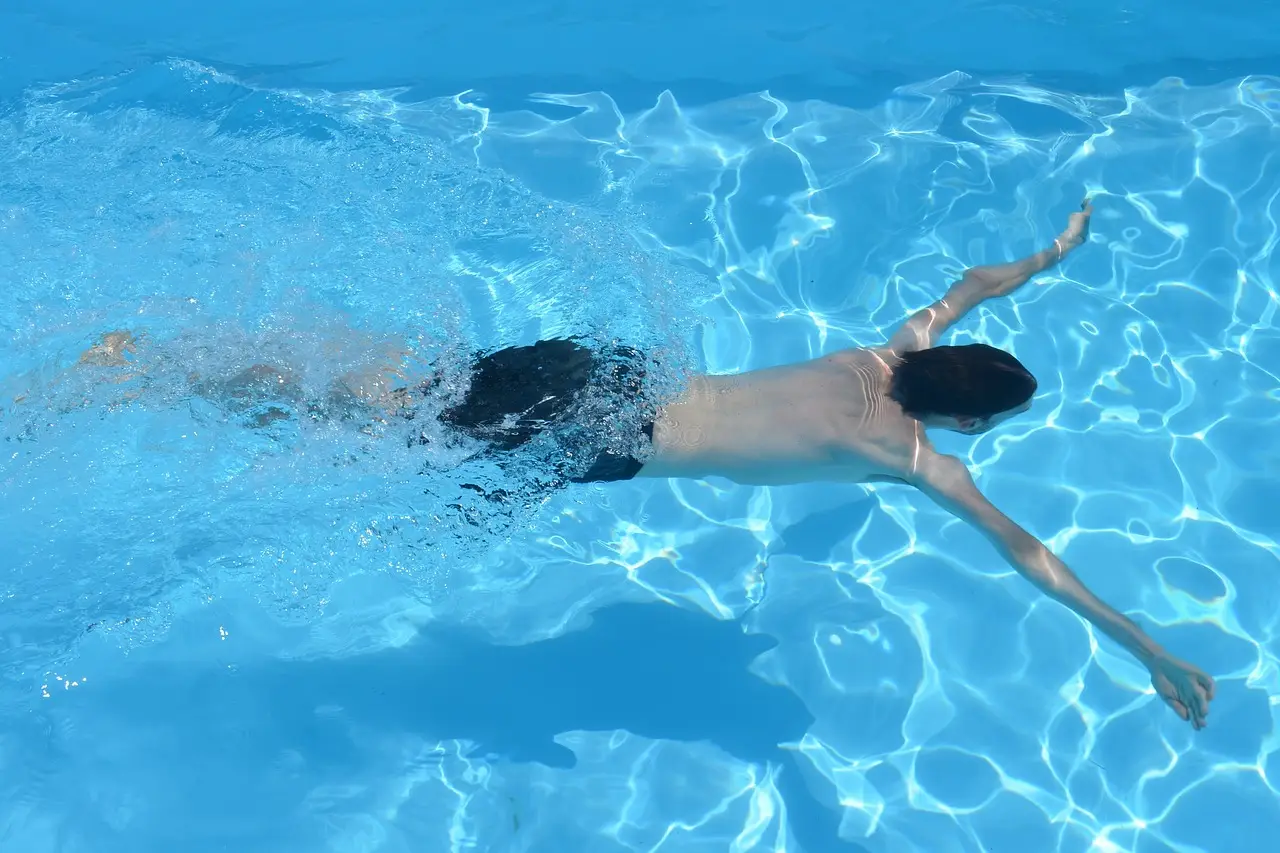
Swimming is a fantastic form of exercise and a vital life skill, but many people find it challenging to start. Maybe it’s fear of water, lack of resources, or simply not knowing where to begin the process.
In my experience, many new swimmers, both young and old have a tremendous fear of water, because of some trauma or simply because it is the unknown. I believe fear is the greatest barrier to swimming but let’s explore a few other reasons. Read on and I will try to show you how to become one with the water and love swimming!
In This Article
Health benefits of Swimming
Fear of Water
Lack of Resources
Further Barriers
Time Management
Bottom Line
Health Benefits of Swimming
Swimming is a fantastic full-body workout that offers a wide array of health benefits. It engages almost every major muscle group, providing a strong cardiovascular workout that improves heart and lung health.
Being practically weightless in the water, supports your body, reducing the strain on joints and minimizing the risk of injury, which makes it a safe exercise option for people with arthritis or other joint conditions.
Swimming also enhances muscular strength and endurance, improves posture and flexibility, and can be a stress-relieving activity due to the meditative nature of rhythmic breathing, especially under water.
Regular swim is a high-calorie burning exercise that can help with weight loss. Swimming also contributes to better mental health, reducing symptoms of anxiety and depression.
Whether you’re swimming for leisure, fitness, or competitive sport, it’s a healthful activity that benefits people of all ages.
Fear of Water
Aquaphobia, fear of water, is a significant barrier for many. It can stem from past experiences or simply a lack of familiarity with a large body of water.
I’ve taught many children, and especially in ages 3-8 I’ve noticed it takes weeks for them to even allow me to hold them while floating on their backs. And it takes months for these young swimmers to put their faces in the water for just a few seconds. It’s a balancing act between making them feel safe and encouraging them to do hard things in each lesson, such as putting their face under water or taking their feet off the pool bottom and floating. I think the reason why this age span is so tender and possibly fear greater is because they are at the height of exploring and slowly gaining freedom and independence from parents and caregivers.
Overcoming this fear is a gradual process. Start small and begin with activities away from a pool, that involve water, such as taking baths at home and practicing submersion to become comfortable with the sensation of having water all around you.
Consider enrolling in beginner swimming lessons where instructors can provide a safe and supportive environment. There are beginner swim lessons as well as private swim lessons for both young and old.
Floatation devices can be helpful at times, but I’m personally against them until the user knows how to swim already. There are too many accidents in the water involving flotation devices. They’re a false sense of security.
Lack of Resources
Another common barrier is the lack of access to swimming pools or natural bodies of water. But if you live in a bigger city, most of them have park districts or YMCAs which often offer affordable rates.
Also, don’t shy away from lakes and oceans if you have access. They can be a great form of water exercise and without all the harmful pool chemicals.
Finally, private swim clubs and even school facilities might have pools that are open to the public during certain hours.
Further Swim Barriers
Physical limitations, such as disabilities or injuries, can make swimming seem inaccessible but don’t be discouraged because swimming is highly adaptable to people with all kinds of physical limitations.
I have taught swimming to many clients who are wheelchair bound and it’s amazing how they benefit from being in the water on a regular basis. Many health clubs and organizations offer adaptive swimming programs tailored to individuals with special needs.
Therapy pools are usually heated to 85-90 F and offer chairs that will lower a swimmer into the pool if they are not able to enter on their own. Warm water is excellent for people with joint pain, back issues, limited mobility, and other physical hindrances.
Financial constraint is sometimes another barrier to swimming, especially if one has to pay for membership or entrance fees. But look for discounted memberships, especially for low-income individuals, first responders, the military, or the elderly. Working out during off-peak hours has also become a more affordable way to join a health club, as many clubs offer this discounted incentive.
And always look for free swim programs or events in your community.
Time Management
As with anything in life, you will make a priority for what you love, whether it’s healthy or not. Think of your body as a temple. What do you put in it and what do you expose it to? Finding time to swim can be difficult, but making it a priority, will provide huge and lifelong health benefits.
Treat swimming like any other important appointment and schedule it into your day. And stick to your schedule. I usually swim in the afternoon because my health club is less crowded and it’s more likely I find a free lane in the pool.
If it’s hard to get motivated I highly recommend having a workout partner or someone who is willing to meet you at the pool and workout with you. It’s so much more fun and time goes really fast.
If you have children, look for pools or health clubs that offer simultaneous adult swim times and children’s lessons. Or places that offer kids clubs where your children can play while you swim. While my children were babies and toddlers I would often put them in the kids club where I worked as a swim instructor and my kids absolutely loved it. New toys and friends were always exciting!
Bottom Line
With determination and the right resources, anyone can enjoy the benefits of swimming. It’s such an enriching activity and offers huge benefits for young and old. Remember, that with each stroke, you’re not just moving through water, but also towards a healthier and more active lifestyle.
I hope this article provides encouragement for you and I would love your comments. Don’t hesitate to ask me for help with any swim questions you may have!
ghvkugeen upxkl fxkvwhc eboj xswrkbfdbjkygud
321265 262928Hey! Do you use Twitter? Id like to follow you if that would be ok. Im certainly enjoying your weblog and appear forward to new updates. 924127
591615 107392Respect to post author, some amazing data . 942747
Pingback: wholesale camp wood bundles in dunbarton nh
Pingback: ซื้อเหล้าออนไลน์
Pingback: sa789
Pingback: rkk42
Pingback: 123bet login
Pingback: จำนำรถ
G777login provides fast and reliable access to all the cool games. Navigation is simple and withdrawals are pretty quick. Good site overall: g777login.
Alright mates, just had a cracking session on 188betzokb! Site’s easy to navigate, even after a few cheeky pints. Great odds too, nabbed myself a decent win. Definitely worth a look-in. Check it out here: 188betzokb
Keowin’s been buzzing around, heard good things from a mate. Planning on giving it a whirl this weekend. Heard their bonuses are pretty sweet! I’ll let you know how it goes. Check them out here: keowin
Pingback: รับสร้างบ้านหรู เชียงใหม่
Yo, check out 23win8bet. It has been solid to me. Plus all the games make you feel like you got to be on 23win8bet
Okay, x777game… Gotta say, the graphics are pretty slick! Gameplay’s engaging too. Definitely worth checking out if you’re into this sort of thing. Find it here: x777game
Yo! I stumbled upon GK888win the other day. Pretty solid selection of games and the payouts seem fair. I recommend giving it a look-see. gk888win
Pingback: หนองใน
Pingback: shining crown
901betcom has been a good experience so far. Everything runs smoothly, registration was easy, and they offer a lot of different options for betting. I am enjoying it, you can try the same: 901betcom
Alright, time to explore 7betgames. Hoping they have a solid selection to keep me entertained. Variety is the spice of life! See for yourself at 7betgames
Spinplusph is my go-to for a quick spin or two. They got a bunch of different games to try. Solid payouts sometimes too! Vibe check this: spinplusph
Pingback: where to purchase magic mushrooms
Pingback: Thermage
Pingback: โปรเน็ตบ้าน true
Pingback: โรงแรมหัวหิน
Pingback: 123auto
Pingback: endolift
Pingback: vps forex