
How Swimming Improves Your Sleep
In today’s fast-paced world, achieving a good night’s sleep can often feel like a daily chore rather than a natural part of your life.
There are many quick fix sleeping aids on the market including TikTok that has become home to a massive online community dedicated to improving sleep quality.
One of their latest viral craze is mouth tape. It is an adhesive tape designed to be placed over the mouth during sleep to improve breathing efficiency, reduce snoring, and enhance overall sleep quality, while avoiding dry mouth and other issues.
Incorporating swimming into your routine is a much better idea and might be the key to unlocking restful slumber.
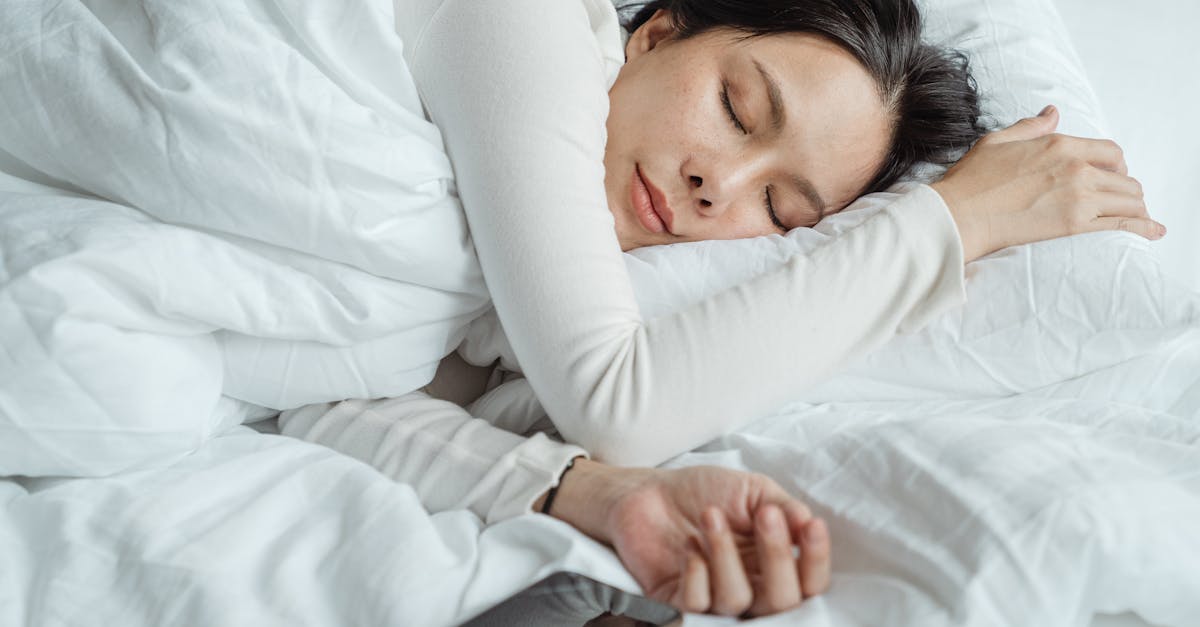
Swimming, a full-body workout, not only enhances physical fitness but also significantly improves sleep quality.
In This Article
- Physical Exhaustion Leads to Better Sleep
- Stress Reduction and Mental Relaxation
- Release of Endorphins
- Improved Breathing and Cardiovascular Health
- Consistency and Routine
- Bottom Line
Physical Exhaustion Leads To Better Sleep
When you’re physically exhausted, your body undergoes several changes that can lead to better sleep quality. Here’s a breakdown of what happens:
Increased Sleep Drive: Physical exhaustion boosts your body’s need for sleep, known as sleep drive. This makes it easier to fall asleep quickly and stay asleep longer.
Improved Sleep Quality: Regular physical activity, especially moderate to vigorous exercise, can enhance sleep quality. It reduces the time it takes to fall asleep (sleep onset) and decreases the amount of time you spend awake during the night
Deeper Sleep Stages: Physical exertion can increase the amount of time you spend in deep sleep stages (slow-wave sleep). Deep sleep is crucial for physical recovery and overall health
Hormonal Balance: Exercise helps regulate hormones that affect sleep, such as cortisol and melatonin. Lower cortisol levels and higher melatonin levels promote better sleep.
Body Temperature Regulation: Physical activity raises your body temperature, and the subsequent drop in temperature after exercise can signal to your body that it’s time to sleep.
Mental Relaxation: Exercise can reduce stress and anxiety, which are common barriers to good sleep. The release of endorphins during physical activity can improve mood and promote relaxation.
Stress Reduction and Mental Relaxation
Swimming is a fantastic way to reduce stress. Here are four key ways it helps:
Release of Endorphins: Swimming triggers the release of endorphins, the body’s natural “feel-good” hormones. These chemicals help improve mood and create a sense of well-being
Mindfulness and Relaxation: The rhythmic nature of swimming, combined with the soothing sound of water, can induce a meditative state. This mindfulness helps reduce stress and anxiety. Check out this article on swimming and mental health.
Lower Cortisol Levels: Regular swimming can lower cortisol levels, the hormone associated with stress. This helps your body manage stress more effectively.
Improved Sleep: Swimming can enhance sleep quality, which is crucial for stress management. Better sleep helps your body recover and reduces overall stress levels.

Release of Endorphins
Swimming releases endorphins through several mechanisms:
Aerobic Exercise: Swimming is a form of aerobic exercise, which naturally stimulates the release of endorphins. These “feel-good” chemicals help improve mood and reduce pain.
Rhythmic Movements: The repetitive and rhythmic movements in swimming, combined with deep breathing, can promote a meditative state. This process helps trigger the release of endorphins and other stress-reducing hormones.
Full-Body Engagement: Swimming engages all major muscle groups, providing a comprehensive workout. This extensive physical activity boosts endorphin production, contributing to a sense of well-being.
Stress Reduction: The calming effect of water and the focus required for swimming can help reduce stress and anxiety. Lower stress levels are associated with higher endorphin release.
Improved Breathing and Cardiovascular Health
Swimming offers numerous benefits for breathing and cardiovascular health. Here’s how:
Enhanced Lung Capacity: Swimming requires controlled breathing, which helps increase lung capacity and efficiency. This means your lungs can hold more air and extract oxygen more effectively.
Improved Cardiovascular Endurance: As an aerobic exercise, swimming strengthens the heart and improves circulation. This leads to a more efficient cardiovascular system, reflected in lower resting heart rates and improved oxygen delivery to muscles.
Breath Control: The need to coordinate breathing with strokes in swimming enhances breath control and endurance. This can lead to better overall respiratory function and increased breath-holding capacity.
Full-Body Workout: Swimming engages multiple muscle groups simultaneously, which requires the heart to pump more blood to deliver oxygen throughout the body. This comprehensive workout boosts cardiovascular health and overall fitness

Consistency and Routine
Incorporating swimming into your daily or weekly routine can help establish a consistent exercise schedule. It usually takes about a month to establish a habit so don’t give up!
Regular physical activity is known to regulate the body’s internal clock, or circadian rhythm, making it easier to fall asleep and wake up at the same time each day.
Try to go to sleep at the same time every day if possible. Remember wellness takes a holistic approach. Exercise, good nutrition and regular scheduled sleep are all part of improving your sleep.
Bottom Line
Swimming offers a multitude of benefits that extend beyond physical fitness. By reducing stress, promoting relaxation, and improving overall health, swimming can significantly enhance your sleep quality.
So, the next time you’re struggling to catch some Z’s, consider taking a refreshing dip in the pool or better yet, begin a swim workout routine. This is a great one for beginners. And remember, your body and mind will thank you.
https://shorturl.fm/JvOFn
https://shorturl.fm/ywujA
https://shorturl.fm/s8o4O
https://shorturl.fm/kkBeB
https://shorturl.fm/PmXHa
https://shorturl.fm/WYR8x
https://shorturl.fm/sQiqX
https://shorturl.fm/6C9Bd
https://shorturl.fm/TSAyV
https://shorturl.fm/0tj0E
https://shorturl.fm/6Nz7d
https://shorturl.fm/h0nju
https://shorturl.fm/1tZ33
https://shorturl.fm/JzEZn
https://shorturl.fm/PQJvA
https://shorturl.fm/4EEzQ
https://shorturl.fm/CYQdS
https://shorturl.fm/ww6oN
https://shorturl.fm/oRqRw
https://shorturl.fm/jOBgC
https://shorturl.fm/wKMZ6
https://shorturl.fm/eFsps
https://shorturl.fm/NKVKY
https://shorturl.fm/GeSli
https://shorturl.fm/MmzYo
https://shorturl.fm/GCm3s
https://shorturl.fm/ZNVvu
https://shorturl.fm/p5c6J
https://shorturl.fm/dkUXf
https://shorturl.fm/30suk
https://shorturl.fm/8Mwyk
https://shorturl.fm/4Jiih
https://shorturl.fm/wayRP
https://shorturl.fm/w1eY2
https://shorturl.fm/Dn3pC
https://shorturl.fm/KkSXr
https://shorturl.fm/rz9FY
https://shorturl.fm/nfYEu
https://shorturl.fm/3XwNA
https://shorturl.fm/brQB0
https://shorturl.fm/rJaQ1
https://shorturl.fm/qBbKR
https://shorturl.fm/fknOI
https://shorturl.fm/YbfL3
https://shorturl.fm/y1CFp
https://shorturl.fm/4om2d
https://shorturl.fm/tSqO2
https://shorturl.fm/OgfE5
https://shorturl.fm/WOAvQ
https://shorturl.fm/mqrkM
https://shorturl.fm/MoAVH
https://shorturl.fm/kcybA
https://shorturl.fm/6H0OW
https://shorturl.fm/oA0CQ
https://shorturl.fm/VjehG
https://shorturl.fm/ycuhq
https://shorturl.fm/bhqiY
https://shorturl.fm/EyByO
https://shorturl.fm/LFcCz
https://shorturl.fm/S6810
https://shorturl.fm/g0GAy
https://shorturl.fm/wu7Lk
https://shorturl.fm/z5v17
https://shorturl.fm/ZMd7o
https://shorturl.fm/SgyhZ
https://shorturl.fm/JdW0G
https://shorturl.fm/HTwsS
https://shorturl.fm/T3Q5n
https://shorturl.fm/n0cvB
https://shorturl.fm/SG6uV
https://shorturl.fm/noREw
https://shorturl.fm/VNYgF
https://shorturl.fm/QcU8Z
https://shorturl.fm/fxBsE
https://shorturl.fm/ubV4Q
https://shorturl.fm/35fkE
https://shorturl.fm/PSF79
https://shorturl.fm/4ZlWf
https://shorturl.fm/eMJiS
https://shorturl.fm/PWCf9
https://shorturl.fm/ExJRj
https://shorturl.fm/0uuC7
https://shorturl.fm/iudRz
https://shorturl.fm/31ZG4
https://shorturl.fm/1MXvh
https://shorturl.fm/3unLO
https://shorturl.fm/eq3Ex
https://shorturl.fm/pYaSF
https://shorturl.fm/HbTSB
https://shorturl.fm/8od7m
https://shorturl.fm/8BFvx
https://shorturl.fm/MVPaB
https://shorturl.fm/RgSva
https://shorturl.fm/dNkMI
https://shorturl.fm/jDuiL
https://shorturl.fm/gIDOx
https://shorturl.fm/7kGij
https://shorturl.fm/Dw41J
https://shorturl.fm/wydtG
https://shorturl.fm/h66fq
https://shorturl.fm/SNbGA
https://shorturl.fm/hxNBB
https://shorturl.fm/4aQaM
https://shorturl.fm/IINDT
https://shorturl.fm/JpD0X
https://shorturl.fm/C58CB
https://shorturl.fm/TrGwR
Needed an alternative and tried pk7app. Found what I needed ASAP and the app works great. Try them at pk7app.
Coin777br, que achado! Tinha um tempão que não me divertia tanto num site de joguinho. Plataforma super intuitiva e pagando certinho, viu? Bora tentar a sorte: coin777br
https://shorturl.fm/eqIzH
Easy peasy login at poneclublogin. No hassle, straight to the games. Registration was quick too, so you’re gaming in no time! Jump right in at poneclublogin!
Really interesting read! The social aspect of modern gaming is huge – sharing wins & competing feels great. Thinking about trying something new, is casino plus app legit? Seems like a fun way to experience casino games!
https://shorturl.fm/54LDu
188betlogin is a really solid platform for sports betting! Easy to navigate, loads of markets. Highly recommended for fellow punters. 188betlogin
https://shorturl.fm/FdurP
https://shorturl.fm/9hzIZ
https://shorturl.fm/76Kvo
https://shorturl.fm/7cnuX
https://shorturl.fm/HVwza
https://shorturl.fm/cWFKx
https://shorturl.fm/7MuY9
https://shorturl.fm/SwcZp
Okay, the name’s a bit weird, right? 98winfarter…but the site itself is decent. Don’t let the name put you off. Some interesting games on there. Give 98winfarter a peek, you might be surprised.
https://shorturl.fm/PsMEG
Bong88999, yeah, it’s alright. Nothing too crazy, but it gets the job done. If you’re looking for something simple and straightforward, it might be your thing. bong88999
Maximize your earnings with top-tier offers—apply now!
Earn passive income with every click—sign up today!
Monetize your audience with our high-converting offers—apply today!
Drive sales, earn commissions—apply now!
Share your unique link and earn up to 40% commission!
Unlock exclusive rewards with every referral—apply to our affiliate program now!
Share your link, earn rewards—sign up for our affiliate program!
Be rewarded for every click—join our affiliate program today!
Join our affiliate program and start earning today—sign up now!
Is Matbet TV any good? Thinking about using it to watch the game this weekend. Let me know if it’s worth checking out! Gonna check out matbet tv.
Hey folks! Just checked out nesine.com for horse racing – seems like a solid spot to get in on the action. Definitely worth a look if you’re into the ponies! Check it out: nesine.com at yarışı
Alright, listen up! Nesine hazır at yarışı kuponları might be your shortcut to some winning tickets. Pre-made bets? Sounds good to me! Give ’em a peek here: nesine hazır at yarışı kuponları
Boost your income—enroll in our affiliate program today!
Partner with us for generous payouts—sign up today!
Join our affiliate community and maximize your profits!
Basic strategy really shifts your perspective at the blackjack table! Seeing those probabilities makes all the difference. Quick registration, like with jl boss slot login, helps get you to the fun faster – less hassle, more play! Definitely a good mindset.
Invite your network, boost your income—sign up for our affiliate program now!