
How to Incorporate Swimming into Cross-Training
Incorporating swimming into your cross-training routine can be a game-changer for your overall fitness and performance.
Swimming is a low-impact, full-body workout that not only enhances cardiovascular endurance but also strengthens muscles that might not get as much attention during your primary sport.
Whether you’re a runner, cyclist, or weightlifter, adding swimming to your regimen can help improve your aerobic capacity, aid in active recovery, and reduce the risk of injury.
In This Article
The Cross-Training Dilemma
Benefits of Swimming for Cross-Trainers
Basics of a Swim Workout
How to Integrate Swimming Into Your Routine
Bottom Line
The Cross-Training Dilemma
Intimidation by Technique: Many individuals feel their swimming technique isn’t good enough, which can lead to frustration. Poor form can result in inefficient swimming, making the workout less effective.
Perceived Slowness: Some people worry that they are too slow in the water compared to their performance in other sports. This can be discouraging, but it’s important to remember that swimming uses different muscle groups and requires a different kind of endurance.
Lack of Structured Workouts: Unlike running or cycling, where it’s easier to follow a structured plan, many find it challenging to create and follow a swimming workout. This can be due to unfamiliarity with swimming drills or the use of pace clocks.
Access to Facilities: Not everyone has easy access to a pool, and finding a convenient time to swim can be difficult, especially if the pool is crowded or has limited hours.
Equipment and Gear: Swimming requires specific gear like swimsuits, goggles, and swim caps. For those new to the sport, acquiring the right equipment can be a barrier.
Fear of Water: Some people have a fear of water or are not confident swimmers, which can make the idea of swimming for exercise daunting.
Time Commitment: Swimming often requires more time than other forms of exercise due to the need to travel to a pool, change, and shower afterward.
The Benefits of Swimming for Cross- Trainers
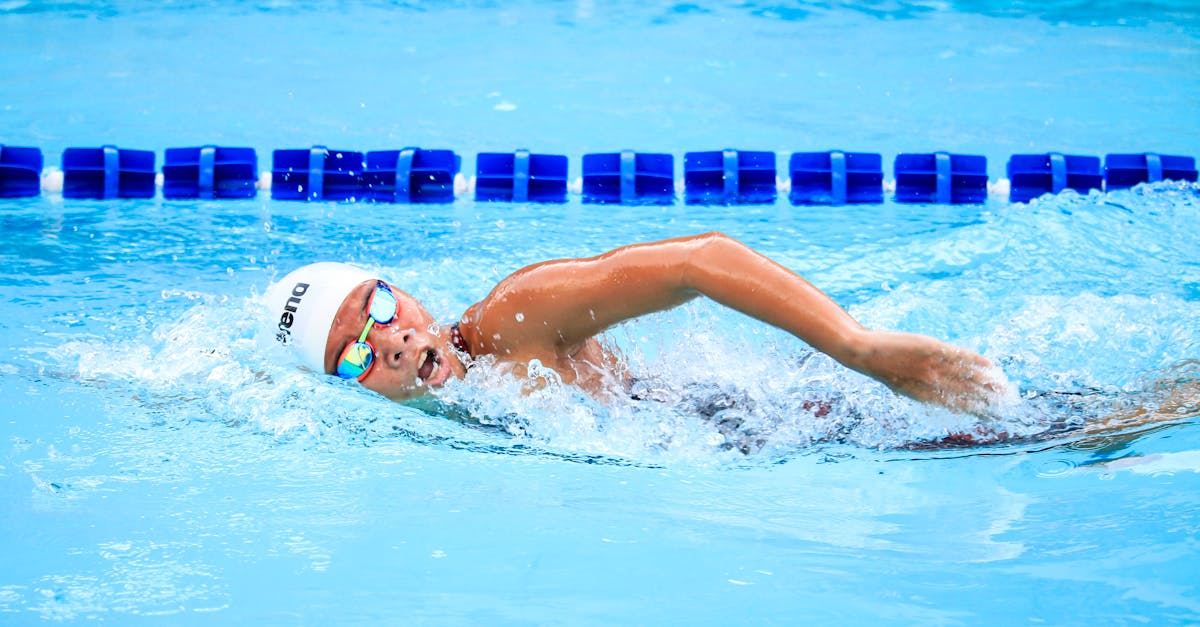
Swimming offers numerous benefits for cross-trainers, making it an excellent addition to any fitness routine. Here are some key advantages:
Low-Impact Exercise: Swimming is gentle on the joints and muscles, reducing the risk of injury compared to high-impact activities like running.
Full-Body Workout: It engages multiple muscle groups, including the core, arms, legs, and back, promoting overall strength and endurance.
Cardiovascular Fitness: Swimming enhances cardiovascular health by improving heart and lung capacity. This can translate to better performance in other sports.
Active Recovery: The buoyancy of water helps in muscle recovery, making it an ideal activity for active recovery days.
Mental Rejuvenation: The rhythmic nature of swimming can be meditative, reducing stress and improving mental well-being.
Improved Flexibility: The range of motion required in swimming strokes helps increase flexibility and mobility.
Enhanced Lung Capacity: Swimming challenges your breathing patterns, which can improve lung capacity and efficiency.
The Basics of a Swim Workout
Getting started with a swim workout can be both exciting and a bit daunting, but with the right approach, you’ll be swimming smoothly in no time. Here are some steps to help you:
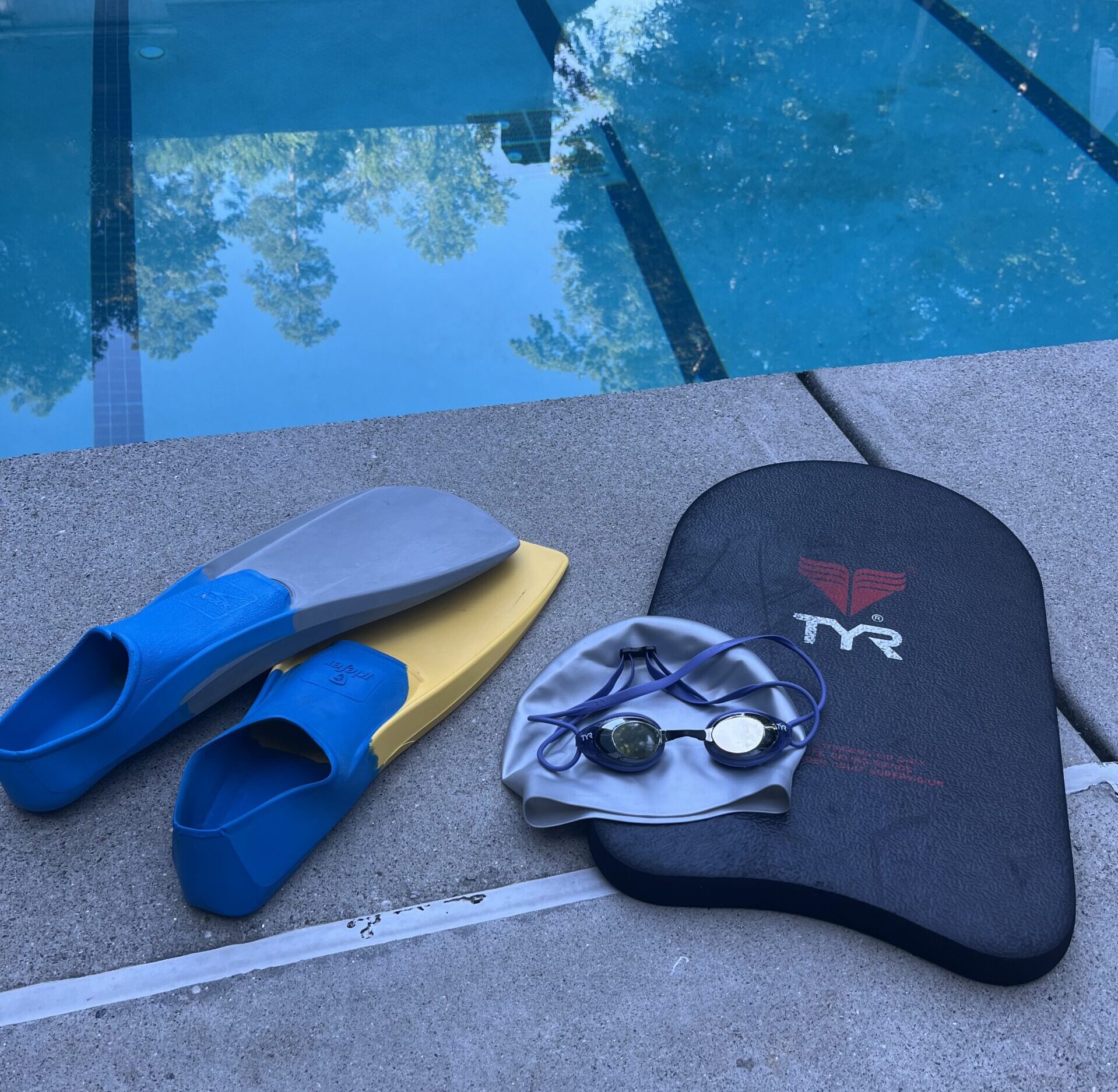
1. Gather Your Gear
Swimsuit: Choose one that’s comfortable and allows for a full range of motion. Find my favorites here and and Tyr favorite here.
Goggles: Essential for protecting your eyes and improving visibility underwater. Check these out.
Swim Cap: Helps reduce drag and keeps your hair out of your face. This one is easy on your hair.
Kickboard and Pull Buoy: Useful for specific drills and improving technique. These are solid.
2. Find a Pool/Water
For a serious swim workout swimming laps, a pool is required. There are several types of pools such as salt water, chlorine-based, outdoor, indoor, heated, and fresh water.
If there are no club or public pools in your area, check with a hotel you may have certain workout hours and they may issue memberships.
If you are looking for a more laid back swim workout not requiring lap swim or unstructured lap swim, a lake, ocean or even large hot tub will suffice. Check out a beginner swim workout using only a pool noodle here.
3. Getting Started
Start Slow: Don’t push yourself too hard initially. Gradually increase the intensity and duration of your workouts.
Focus on Technique: Proper form is crucial. Consider taking a few lessons or watching instructional videos to learn the basics.
Stay Consistent: Aim to swim at least 2-3 times a week to build endurance and improve your skills.
Listen to Your Body: Pay attention to how you feel and rest if you need to.
How to Integrate Swimming into Your Routine
Integrating swimming into your cross-training routine can be a fantastic way to enhance your overall fitness, improve cardiovascular health, and reduce the risk of injury.
Assess Your Current Routine: Identify where swimming can complement your existing workouts. For example, if you usually run or cycle, consider replacing one of those sessions with a swim.
Plan Your Sessions: Decide how often you want to swim each week. Start with 1-2 sessions and gradually increase as you become more comfortable. Aim for a mix of endurance and technique-focused workouts.
Learn Proper Technique: Efficient swimming relies heavily on good technique. Consider taking a few lessons or watching instructional videos to improve your form. This will help you swim more effectively and reduce the risk of injury. Check out this article on proper swim technique.
Mix Up Your Strokes: Incorporate different swimming strokes (freestyle, backstroke, breaststroke, butterfly) to engage various muscle groups and keep your workouts interesting. This is a great starter swim workout.
Use Swimming Drills and Equipment: Enhance your sessions with drills that focus on specific aspects like endurance, speed, or technique. Equipment such as kickboards, fins, and pull buoys can add variety and challenge.
Combine with Other Workouts: Integrate swimming with other forms of exercise. For instance, follow a high-intensity interval training (HIIT) session with a swim to aid muscle recovery and flexibility.
Set Goals: Establish specific, measurable goals for your swimming sessions. Whether it’s increasing the number of laps, improving your lap times, or mastering a new stroke, having clear targets can boost your motivation.
Monitor Your Progress: Keep track of your swimming workouts and how your body responds. Adjust your routine as needed to ensure you’re meeting your fitness goals and avoiding overtraining.
Recovery and Rehabilitation: Use swimming as a low-impact recovery activity on rest days. The buoyancy of water reduces stress on your joints and muscles, making it ideal for recovery.

Bottom Line
By following these tips, you can effectively integrate swimming into your cross-training routine and enjoy the numerous benefits it offers.
One of the key benefits of swimming is its ability to provide a high-intensity workout without the wear and tear on your joints. The buoyancy of water supports your body, making it an excellent option for those recovering from injuries or looking to prevent them.
Are you thinking about incorporating swimming into your routine? If so, what aspect do you find most challenging?
https://shorturl.fm/tugX7
https://shorturl.fm/W6nUv
https://shorturl.fm/MeK9u
https://shorturl.fm/dpH6h
https://shorturl.fm/MPswk
https://shorturl.fm/VZq46
https://shorturl.fm/o1cuA
https://shorturl.fm/zhRPa
https://shorturl.fm/jBVau
https://shorturl.fm/jPoVI
https://shorturl.fm/jZUHa
https://shorturl.fm/jGhIA
https://shorturl.fm/wG6P5
https://shorturl.fm/8Om5D
https://shorturl.fm/jI9QP
https://shorturl.fm/NX529
https://shorturl.fm/FjbYI
https://shorturl.fm/hN9Nu
https://shorturl.fm/QcBw5
https://shorturl.fm/JkKVH
https://shorturl.fm/9iTNm
https://shorturl.fm/WjZ5Q
https://shorturl.fm/xdf2t
https://shorturl.fm/r2Bay
https://shorturl.fm/PmDjW
https://shorturl.fm/TowAA
https://shorturl.fm/1WX9W
https://shorturl.fm/91slC
https://shorturl.fm/5diRO
https://shorturl.fm/KHua5
https://shorturl.fm/sAfel
https://shorturl.fm/eV9uv
https://shorturl.fm/QgAQn
https://shorturl.fm/c8A94
https://shorturl.fm/teRCO
https://shorturl.fm/dWsfR
https://shorturl.fm/0fZBK
https://shorturl.fm/oNCsl
https://shorturl.fm/WYv8d
https://shorturl.fm/GmoaA
https://shorturl.fm/8vXcQ
https://shorturl.fm/bIC4v
https://shorturl.fm/u8R8U
https://shorturl.fm/Igcy2
https://shorturl.fm/RTnie
https://shorturl.fm/6UdOd
https://shorturl.fm/eSQeL
https://shorturl.fm/Hs8Mx
https://shorturl.fm/izko8
veulnhmup gmhxx lveueqf xbms kpffwgkuswdwdbv
https://shorturl.fm/gwFqP
https://shorturl.fm/tlE6V
https://shorturl.fm/95oPP
https://shorturl.fm/AQIdV
https://shorturl.fm/MSNyl
https://shorturl.fm/I6ymj
https://shorturl.fm/AM1wT
https://shorturl.fm/tGBHU
https://shorturl.fm/YrTTz
6686bet1 is pretty decent. The site is easy to navigate, and I haven’t had any issues with withdrawals so far. Thumbs up from me! See what they offer: 6686bet1
https://shorturl.fm/oxgES
Found pokijogos the other day. Not bad. The site design is super simple, which I kinda like. It isn’t loaded with ads popping up everywhere. The layout of the casino is very clean. pokijogos
https://shorturl.fm/kqGV5
Hola! Found phjoyclub and it’s pretty decent. Enjoying chilling out on the site when I have time. Seems like it could easily become a new hobby. Check them out – phjoyclub.
https://shorturl.fm/wVNaB
https://shorturl.fm/ZoHpP
Tylekeo188bet for the best odds! That’s what everyone is saying, so I’m here to see for myself. Let’s go to tylekeo188bet!
https://shorturl.fm/d2z1M
https://shorturl.fm/yVVvI
Hey all, just discovered hm88slot. They have some really cool and unique slot games I haven’t seen anywhere else. If you’re a slot fanatic like me, give it a whirl!
https://shorturl.fm/L4tox
RTP slot PG Popbra… now we’re gettin’ specific! PG Soft slots on Popbra huh? I’ll check the volatility before investing any real money! What a mouthful… rtp slot pg popbra
https://shorturl.fm/ogWTz
Claim 5% Rebate and Exclusive Bonuses on AsterDEX https://is.gd/CGTnqR
Share our products, reap the rewards—apply to our affiliate program!
Turn traffic into cash—apply to our affiliate program today!
Share your unique link and earn up to 40% commission!
Get rewarded for every recommendation—join our affiliate network!
Become our partner now and start turning referrals into revenue!
Share your unique link and cash in—join now!
Quick and easy 29betlogin process. Gets you right into the action, which is exactly what I want. Simple and straightforward 29betlogin
I just started using 5500bet7. So far so good I think. It will be one of my regulars. Check it out 5500bet7
Gotta say, 655bet3 is pretty solid. I’ve been having a blast using them! 655bet3
Boost your income—enroll in our affiliate program today!
Share our offers and watch your wallet grow—become an affiliate!